In the ever-evolving landscape of pet care, the emergence and adoption of prescription diets represent a significant stride toward specialized veterinary nutrition. These are not mere over-the-counter kibble with a fancy label; they are meticulously formulated therapeutic foods designed to address specific health conditions in our companion animals. The very phrase "prescription diet" implies a level of medical necessity and scientific backing that sets it apart from standard commercial pet food, marking it as a critical tool in a veterinarian's arsenal for managing chronic and acute ailments.
The journey to a prescription diet typically begins in the veterinarian's office, following a definitive diagnosis. It is a decision rooted in clinical necessity, not owner preference. Conditions such as renal failure, urinary crystals, food allergies, diabetes, liver disease, and obesity are common catalysts. For a dog suffering from chronic kidney disease, for instance, a standard diet high in phosphorus and protein can accelerate the decline of renal function. A renal support prescription diet, however, is engineered with restricted, high-quality protein, lowered phosphorus levels, and added omega-3 fatty acids to reduce the kidneys' workload and slow the disease's progression. This is a targeted nutritional intervention, where every ingredient serves a therapeutic purpose.
Understanding the appropriate context for these diets is paramount. They are medical treatments dispensed to solve a specific problem. Using them without a veterinary directive can be not only ineffective but potentially harmful. A diet designed to dissolve struvite crystals, often acidifying the urine, would be entirely inappropriate and dangerous for an animal already suffering from metabolic acidosis. Therefore, the first and most crucial step is always a professional diagnosis. Self-prescribing a prescription food based on internet research or a hunch about a pet's symptoms bypasses this essential safety mechanism and risks exacerbating an undiagnosed issue.
The duration of use for these specialized foods is a spectrum, largely dictated by the nature of the condition they are treating. For some acute issues, the diet may serve as a short-term therapeutic measure. A classic example is the use of a highly digestible, gastrointestinal-friendly diet to manage a bout of pancreatitis or a severe case of diarrhea. Once the acute flare-up is under control and the pet's system has stabilized, often over a period of several weeks, the veterinarian may gradually transition the animal back to its regular maintenance diet, provided the underlying cause has been resolved.
Conversely, for a vast number of conditions, prescription diets are a lifelong commitment. Chronic diseases, by definition, are managed, not cured. A cat diagnosed with diabetes may require a high-protein, low-carbohydrate diet indefinitely to help regulate blood glucose levels. A dog with advanced heart disease will likely need a cardiac support diet, low in sodium to prevent fluid retention, for the rest of its life. In these scenarios, the prescription food becomes a permanent pillar of the pet's wellness plan, as indispensable as daily medication. Discontinuing it would be akin to a human patient stopping their blood pressure pills; the managed condition would likely deteriorate rapidly.
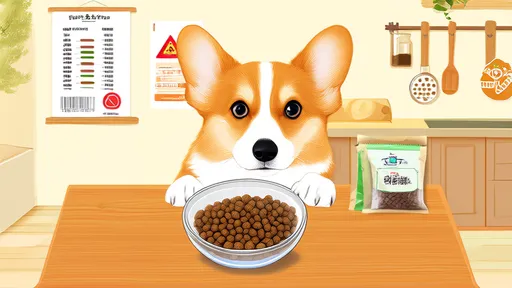
This long-term usage necessitates a deep collaboration between the pet owner and the veterinary team. Adherence is critical. The therapeutic benefits are contingent on the diet being fed exclusively—meaning no treats, table scraps, or other foods that could counteract its carefully balanced formulation. This can be one of the most challenging aspects for owners, who often express love through food. Veterinarians must provide clear guidance and support, suggesting approved low-calorie treats or using pieces of the prescription kibble itself as rewards during training. Regular follow-up appointments are also essential to monitor the pet's response, adjust portions, and ensure the diet continues to meet the animal's evolving needs as it ages.
The landscape of these diets is not without its controversies and considerations. A common point of discussion among pet owners is the ingredient list, which sometimes includes by-products or grains that are vilified in popular pet food marketing. It is vital to understand that the value of a prescription diet lies in its nutrient profile and biological effect, not in the perceived quality of individual ingredients through a human-centric lens. The formulations are the result of extensive research and clinical trials to prove their efficacy. Furthermore, the market has expanded, with some companies now offering "holistic" or "limited ingredient" therapeutic foods, providing more options for veterinarians and owners who are particular about ingredient sourcing, though the core principle of medical necessity remains unchanged.
Ultimately, pet prescription diets are a powerful testament to the advancement of veterinary medicine. They move nutrition from a background concern to a frontline therapy, offering a non-invasive way to improve quality of life, manage painful symptoms, and even extend a pet's lifespan. Their适用场景 is defined by diagnosed medical need, and their使用时长 is a flexible concept, ranging from a brief interlude to a permanent lifestyle, all under the vigilant guidance of a veterinary professional. For countless pets and their families, these specialized foods are not just sustenance; they are a lifeline, a daily dose of medicine that comes in a bowl.

By /Aug 20, 2025

By /Aug 20, 2025

By /Aug 20, 2025
By /Aug 20, 2025

By /Aug 20, 2025

By /Aug 20, 2025

By /Aug 20, 2025

By /Aug 20, 2025

By /Aug 20, 2025

By /Aug 20, 2025
By /Aug 20, 2025

By /Aug 20, 2025

By /Aug 20, 2025

By /Aug 20, 2025

By /Aug 20, 2025

By /Aug 20, 2025

By /Aug 20, 2025

By /Aug 20, 2025

By /Aug 20, 2025

By /Aug 20, 2025