As pet owners, we often focus intently on the quality and quantity of the food we provide our furry companions, meticulously measuring portions and selecting premium brands. We scrutinize ingredients, consult veterinarians about dietary needs, and fret over the occasional skipped meal. Yet, there exists another, equally critical pillar of pet health that frequently fades into the background, receiving a fraction of the attention: hydration. The simple, life-sustaining act of drinking water is paramount to the well-being of our cats and dogs, influencing everything from kidney function and joint lubrication to cognitive sharpness and skin health. Despite its importance, encouraging a pet to consume adequate water can be a puzzling and sometimes frustrating challenge, leaving many owners wondering if their beloved animal is truly getting enough.
The consequences of chronic under-hydration are severe and can creep up silently. For cats, a consistently low water intake is the primary risk factor for developing urinary crystals and painful, potentially fatal blockages. Their evolutionary biology, descended from desert-dwelling ancestors, means they have a naturally low thirst drive; they are designed to derive moisture from their prey. Modern diets, particularly dry kibble, which contains only about 10% moisture, starkly contrast with the moisture-rich composition of a mouse or bird, which is roughly 70% water. This disparity creates a significant hydration deficit that our domestic felines are not instinctively compelled to fill. Dogs, while generally more enthusiastic drinkers, are not immune. Dehydration can exacerbate issues like kidney stones, contribute to the formation of bladder infections, and lead to debilitating heatstroke during warm weather. For all pets, water is the essential medium that facilitates nutrient absorption, flushes out toxins, and regulates body temperature. Without it, every system in their body is forced to work harder, leading to premature wear and organ stress.
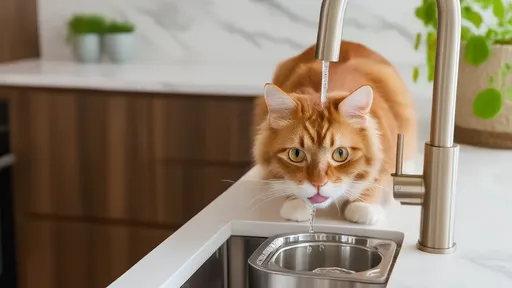
Understanding the why behind a pet's reluctance to drink is the first step toward a solution. The reasons are often more nuanced than simple disinterest. The location of the water bowl plays a surprising role in a pet’s psychology. Placing it right next to a loud, humming refrigerator or a rattling washing machine can create an environment of anxiety. Similarly, a bowl crammed into a dark corner might feel unsafe, especially for cats who are vulnerable when their heads are down drinking. The material of the bowl itself is a major factor. Many pets, cats in particular, are notoriously sensitive to the taste and smell imparted by plastic bowls, which can also harbor bacteria in microscopic scratches. A stale, metallic taste from a rusty or poorly cleaned metal bowl can be equally off-putting. The water's freshness is non-negotiable; would you want to drink day-old, lukewarm water filled with floating dust and food particles? Our pets don't either. Stagnant water is not appealing. Furthermore, some animals have a peculiar but strong preference for the type of water stream. This is especially true for cats who may be instinctively drawn to moving water, which they associate with freshness and safety in the wild, as opposed to still water which could be stagnant.
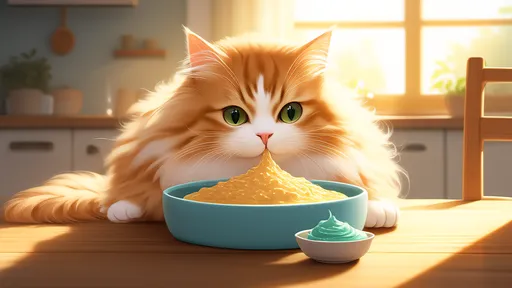
Transforming hydration from a chore into an appealing activity requires a shift in strategy, moving beyond a single stagnant bowl. The most powerful tool in an owner's arsenal is often the simple act of hydration through nutrition. Incorporating wet food into your pet's diet is the most effective way to directly increase their fluid intake. A can of wet food can be over 78% moisture, providing a substantial portion of their daily water requirement in a single meal. For pets on a dry food diet, adding a splash of warm water, a spoonful of low-sodium chicken broth, or the water from a can of tuna (in moderation) to their kibble can create a enticing, gravy-like mixture that they will eagerly lap up. This method seamlessly integrates necessary fluids into their existing routine.
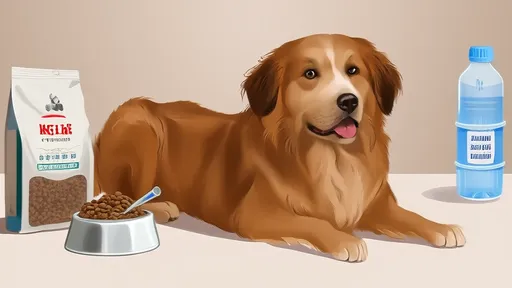
Next, critically assess the water station itself. Ditch the plastic bowls in favor of stainless steel, ceramic, or glass. These materials are easier to keep clean, are more resistant to bacteria, and do not leach odors or flavors into the water. The bowl should be wide and shallow enough that your pet’s whiskers do not touch the sides—a phenomenon known as "whisker fatigue" that causes significant stress for cats. Most importantly, the water must be fresh. This means washing the bowl with soap and hot water daily to remove the slippery biofilm that forms, and refilling it with cool, clean water at least twice a day. The location should be quiet, easily accessible, and away from high-traffic areas and loud appliances. Consider having multiple water stations throughout the house to provide convenient options and encourage frequent, small drinks.
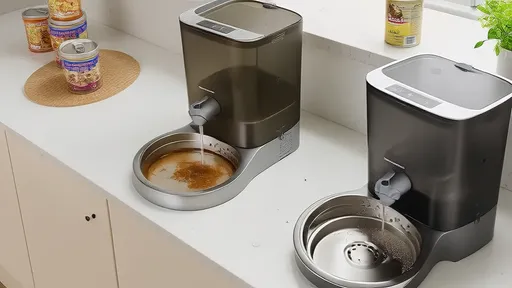
For the discerning pet that turns its nose up at a bowl entirely, technology offers a brilliant solution: pet water fountains. These devices are a game-changer for many households. By continuously circulating and filtering water, they address several key issues at once. The movement and sound of the trickling water captivate a pet's interest, triggering their innate preference for running water. The constant filtration keeps the water oxygenated and free of debris, ensuring every sip tastes fresh and cool. Many fountains are also designed with a gentle stream or waterfall feature that makes drinking easy and engaging. The novelty alone can be enough to spark a renewed interest in hydration. When introducing a fountain, patience is key; place it in a familiar location and give your pet time to investigate this new gadget on their own terms.
Beyond equipment and food, our own behavior plays a crucial role. Positive reinforcement is a powerful tool. When you see your pet take a drink, offer a small, healthy treat or verbal praise. This creates a positive association with the act of drinking from their bowl or fountain. Make hydration a social activity. After a play session or a walk, lead your dog directly to their water bowl. For cats, try placing an ice cube in their water; the movement and novelty can pique their curiosity, prompting them to paw at it and lick their wet paws. In multi-pet households, ensure there are enough resources to go around. Competition or bullying over a single water source can prevent a more timid animal from drinking altogether. The rule of thumb is one water station per pet, plus one extra, placed in different areas.
Ultimately, fostering healthy hydration habits is an ongoing process of observation and adaptation. It requires looking beyond the bowl and understanding the unique preferences and quirks of your individual animal. It is about making water fresh, accessible, and interesting. By thoughtfully integrating moisture-rich foods, upgrading water stations, and perhaps investing in a fountain, we can quietly and effectively support our pets' internal health. This proactive approach to hydration is a profound act of care, one that safeguards their vitality, prevents serious illness, and ensures they remain our happy, hydrated companions for years to come. The goal is not to force them to drink, but to create an environment where choosing to drink is the easiest and most appealing option available.
By /Aug 20, 2025
By /Aug 20, 2025
By /Aug 20, 2025
By /Aug 20, 2025
By /Aug 20, 2025
By /Aug 20, 2025
By /Aug 20, 2025

By /Aug 20, 2025
By /Aug 20, 2025
By /Aug 20, 2025
By /Aug 20, 2025

By /Aug 20, 2025
By /Aug 20, 2025
By /Aug 20, 2025

By /Aug 20, 2025

By /Aug 20, 2025

By /Aug 20, 2025
By /Aug 20, 2025
By /Aug 20, 2025

By /Aug 20, 2025