For countless pet owners, the sight of their beloved companion scratching incessantly or suffering from recurrent ear infections is a source of profound concern and frustration. These persistent issues often point to a common yet frequently misunderstood culprit: food allergies. Unlike the immediate and sometimes dramatic reactions seen with environmental allergens, food-related sensitivities in pets are typically more insidious, developing over time and manifesting in a variety of chronic skin and gastrointestinal problems. The journey to identify the specific ingredient causing this internal turmoil and to subsequently manage the pet's diet is a meticulous process, requiring patience, diligence, and a deep understanding of nutritional science. It is a path away from guesswork and towards a methodical, evidence-based approach to restoring an animal's health and comfort.
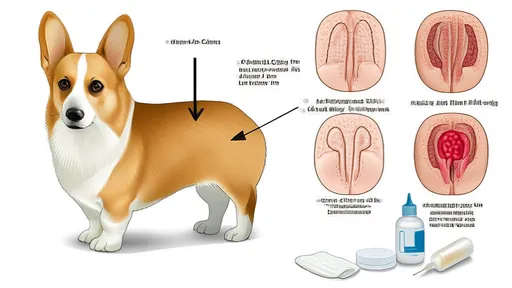
The clinical signs of a food allergy can be diverse and often overlap with other conditions, making initial diagnosis a challenge for both owners and veterinarians. The most common presentation is dermatological. Pets may exhibit pruritus, or intense itching, which is not seasonal but persists year-round. This leads to scratching, licking, and chewing, particularly at the paws, face, ears, armpits, and around the anus. This self-trauma results in secondary issues like hair loss, red and inflamed skin, hot spots, and recurrent bacterial or yeast infections. Otitis externa, or inflammation of the outer ear canal, is another very common sign, often appearing as chronic, waxy, and infected ears that respond poorly to standard treatments.
Beyond the skin, the gastrointestinal system is also a major target for food allergies. Symptoms can range from subtle to severe and include frequent vomiting, diarrhea, increased frequency of bowel movements, straining to defecate, and increased gas. Some pets may simply show a lack of energy or fail to thrive despite a good appetite. It is crucial to understand that these symptoms can be caused by a true food allergy, which involves an immune system response, or a food intolerance, which does not. An intolerance might be likened to lactose intolerance in humans—a difficulty digesting a substance that causes digestive upset but not an allergic reaction. However, from a management perspective, the treatment for both is largely the same: identification and elimination of the offending ingredient.
When a food allergy is suspected, the first and most critical step is a thorough veterinary examination to rule out other potential causes. Parasites like fleas or mites, environmental allergies (atopy), bacterial infections, and hormonal imbalances can all produce similar clinical signs. Once these are addressed or ruled out, the focus shifts to the diet. The cornerstone of diagnosing a food allergy is the elimination diet trial. This is not a haphazard process of trying different over-the-counter "limited ingredient" or "hypoallergenic" foods; it is a strict, controlled scientific experiment conducted over a significant period.
The principle of the elimination diet is to feed the pet a novel source of protein and carbohydrate that its body has never encountered before. Because the immune system cannot be allergic to something it has not been exposed to, this new diet should, in theory, not provoke a reaction. Alternatively, a veterinarian may prescribe a hydrolyzed protein diet. In these specially formulated foods, the protein molecules are broken down (hydrolyzed) into pieces so small that the immune system no longer recognizes them as allergens, thus preventing a reaction.
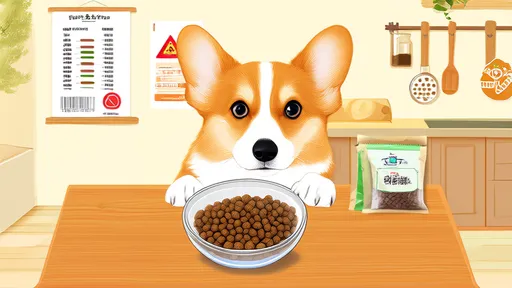
The selection of the diet is paramount and must be done under veterinary guidance. For a novel protein diet, the choices depend entirely on the pet's dietary history. If a dog has eaten chicken, beef, and wheat its whole life, a diet based on venison and potato or kangaroo and oats might be chosen. The key is that the ingredients must be truly novel. The trial must be absolute and strict, typically lasting for a minimum of 8 to 12 weeks. During this period, the pet cannot have any other food sources. This means no treats, table scraps, flavored medications, toothpaste, or rawhide chews. Even a tiny amount of the allergen can perpetuate the symptoms and invalidate the entire trial.
Monitoring during the trial is essential. Owners should keep a detailed log noting the state of the pet's skin, itchiness score, ear health, and stool quality. A successful trial is marked by a significant reduction or complete resolution of the clinical signs. To confirm the allergy, a "challenge" is then performed. This involves reintroducing the pet's original diet. If the symptoms return within hours to days, the diagnosis of a food allergy is confirmed. To identify the specific allergen, individual ingredients from the old diet can be introduced one at a time, with a waiting period between each to observe for a reaction.
Once the offending allergens are identified, the long-term management begins. This involves permanently avoiding those ingredients. This sounds simple but requires constant vigilance. The pet food market is complex, and labels can be misleading. Terms like "natural" or "premium" have no legal definition in relation to allergies. Owners must become expert label readers, scrutinizing every ingredient list to ensure it does not contain hidden sources of the allergen. Cross-contamination during manufacturing is also a risk, which is why many veterinarians recommend sticking with prescription diets or reputable brands with stringent quality control measures for producing limited ingredient foods.
The landscape of pet nutrition is evolving rapidly, offering new hope and options for pets with dietary sensitivities. Beyond novel protein and hydrolyzed diets, emerging research is exploring the role of the gut microbiome in allergic disease. Probiotics and prebiotics are being studied for their potential to modulate the immune system and improve gut health, potentially reducing the inflammatory response. Furthermore, the development of serological and intradermal tests for food allergies, while historically unreliable for diagnosis, is an area of ongoing improvement. The goal is to one day have accurate, definitive tests that can identify allergens without the need for a lengthy dietary trial.
Successfully navigating a food allergy transforms a pet's life. The relief from constant itching and discomfort is palpable. The chronic ear infections cease, the skin heals, and the pet's overall vitality returns. For the owner, it replaces frustration with empowerment. It fosters a deeper bond, born from the dedication required to see the process through. While the path of elimination diets and lifelong dietary management demands commitment, the reward—a healthy, happy, and comfortable companion—is immeasurable. It is a powerful testament to the profound impact that nutrition has on health and the incredible results achievable through a partnership between a caring owner and a knowledgeable veterinarian.

By /Aug 20, 2025

By /Aug 20, 2025

By /Aug 20, 2025
By /Aug 20, 2025

By /Aug 20, 2025

By /Aug 20, 2025

By /Aug 20, 2025

By /Aug 20, 2025

By /Aug 20, 2025

By /Aug 20, 2025
By /Aug 20, 2025

By /Aug 20, 2025

By /Aug 20, 2025

By /Aug 20, 2025

By /Aug 20, 2025

By /Aug 20, 2025

By /Aug 20, 2025

By /Aug 20, 2025

By /Aug 20, 2025

By /Aug 20, 2025