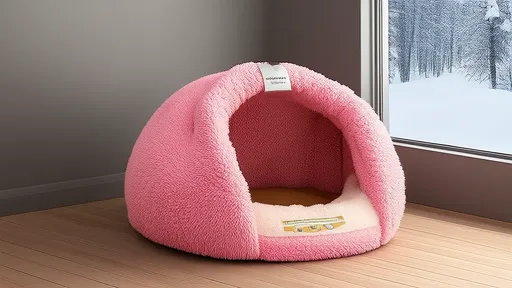
As winter's chill begins to settle in, pet owners worldwide turn their attention to ensuring the comfort and safety of their furry companions. The dropping temperatures pose significant risks to pets, particularly those who spend considerable time outdoors or in drafty indoor spaces. Investing in a quality heated pet bed or shelter becomes not just a matter of comfort but a crucial aspect of responsible pet ownership during the colder months.
The market offers an overwhelming array of options, from simple heated pads to elaborate temperature-controlled houses, making the selection process daunting for many. Understanding the specific needs of your pet, the safety features required, and the appropriate usage guidelines forms the foundation of making an informed decision. This comprehensive guide aims to navigate these considerations, providing detailed insights without resorting to simplistic numbered points.
When beginning your search for the ideal heated shelter, the primary consideration should always be your pet's specific requirements. A small, short-haired dachshund living in a Minnesota winter has drastically different needs than a long-haired husky in Oregon's milder climate. Breed characteristics, age, health status, and living environment collectively determine the type and intensity of heating solution necessary. Elderly pets, for instance, often suffer from arthritis that flares up in cold conditions, requiring gentle, consistent warmth rather than intense heating. Similarly, very young animals haven't fully developed their ability to regulate body temperature and need protection from extreme cold.
Safety stands as the non-negotiable pillar of selecting any heated pet product. The consequences of overlooking this aspect can range from minor mishaps to tragic accidents. Electrical safety features deserve particular scrutiny. Look for products with chew-resistant cords, especially if your pet has a history of chewing objects. Many quality heated beds incorporate advanced thermostat controls that maintain a consistent temperature, preventing overheating that could burn your pet or create fire hazards. Products should carry certification from recognized testing laboratories, providing assurance that they meet stringent electrical safety standards.
The construction quality and materials used in heated pet beds significantly influence both safety and durability. Examine the exterior materials for robustness and resistance to moisture, particularly if the bed will be used outdoors or in areas prone to spills. Interior padding should provide adequate insulation while being resistant to compression over time. Many manufacturers now use orthopedic foam that not only retains heat effectively but also supports joints—a valuable feature for older pets. The heating element itself should be securely embedded within the bed, with no risk of exposure even after prolonged use.
Energy efficiency represents an often-overlooked aspect of heated pet products. With many pets spending hours daily in their heated beds, the electricity consumption can become substantial. Modern heated beds often incorporate energy-saving technologies such as low-wattage heating elements that provide warmth without excessive power draw. Some advanced models feature motion sensors that activate heating only when the pet is present, significantly reducing energy usage. These features not only lower electricity bills but also minimize environmental impact while maintaining optimal comfort for your pet.
Proper placement of heated beds requires careful consideration to maximize benefits while minimizing risks. Position the bed away from drafts but ensure adequate ventilation in the area. Avoid placing heated beds directly on cold surfaces like concrete or tile floors, as this can cause the heating element to work harder and potentially overheat. Instead, use a raised platform or place a insulating layer beneath the bed. For outdoor houses, position them in areas protected from wind and moisture, ideally elevated slightly above ground level to prevent water ingress during rain or snow.
Introducing your pet to a new heated bed should be a gradual process. Many animals approach unfamiliar objects with caution, and the sensation of warmth might initially cause hesitation. Place the bed in your pet's favorite resting area without turning it on for a day or two, allowing them to become accustomed to its presence. Then activate the heat at its lowest setting, gradually increasing to the recommended temperature over several days. Always monitor your pet's reaction during this introduction period, ensuring they don't show signs of discomfort or anxiety.
Regular maintenance and cleaning are essential for ensuring the longevity and safety of heated pet beds. Follow manufacturer instructions meticulously regarding cleaning methods, as improper cleaning can damage electrical components or create safety hazards. Most modern heated beds feature removable covers that are machine washable, while the core unit requires only surface cleaning. Regularly inspect the power cord for any signs of damage, and test the thermostat periodically to ensure it maintains proper temperature. Replace beds that show signs of wear, especially if the heating element becomes exposed or the thermostat malfunctions.
Understanding temperature requirements prevents both underheating and overheating scenarios. Most pets comfortable at temperatures between 68-72°F (20-22°C) require supplemental heating only in significantly colder conditions. Heated beds typically maintain surface temperatures between 102-120°F (39-49°C), which approximates animal body temperature and feels warm rather than hot to human touch. Pets with specific health conditions may require adjustments to these ranges, necessitating consultation with a veterinarian for personalized recommendations.
Outdoor heated shelters demand additional considerations beyond those for indoor beds. Weatherproof construction becomes paramount, with sealed electrical connections and waterproof exteriors. The shelter should provide adequate insulation beyond just the heated surface, with walls and roof designed to retain warmth. Proper sizing ensures your pet can retain body heat effectively—too large a space makes heating inefficient, while too small causes discomfort. Many quality outdoor heated houses feature dual-layer insulation and adjustable ventilation to prevent condensation buildup.
Monitoring your pet's use of heated beds helps identify potential issues before they become serious. While most animals naturally regulate their exposure to heat, some may overuse heated beds, particularly elderly pets seeking relief from joint pain. Watch for signs of overheating such as excessive panting, restlessness, or seeking cooler surfaces. Conversely, if your pet consistently avoids the heated bed, the temperature might require adjustment or the bed location may need changing. Behavioral changes often provide the first indication that adjustments are necessary.
Alternative heating solutions sometimes better suit specific situations than standard heated beds. Heated pads placed under existing bedding provide gentle warmth without the commitment of a full heated bed. heated blankets designed specifically for pet use offer flexibility but require careful supervision. For outdoor situations, heated water bowls prevent freezing while providing essential hydration. Each alternative comes with its own safety considerations and usage guidelines that responsible owners must thoroughly research before implementation.
The financial investment in quality heated pet products pays dividends in pet comfort and safety, but requires thoughtful budgeting. Prices range dramatically based on size, features, and quality, with outdoor heated houses commanding premium prices due to weatherproofing requirements. Consider this purchase as a long-term investment rather than an annual expense—quality products often last through multiple winters with proper care. Factor in operational costs, as energy-efficient models may cost more initially but save significantly on electricity bills over time.
Seasonal storage procedures significantly impact the lifespan of heated pet products. Thoroughly clean and completely dry the bed before storage. Store in a cool, dry place protected from rodents that might chew on electrical components. Avoid folding beds with internal wiring too tightly, as this can damage heating elements. Before the next winter season, inspect stored beds carefully for any signs of damage or wear, and test them briefly before allowing pet access.
Technological advancements continue to improve heated pet products significantly. Smart beds now connect to mobile applications, allowing temperature adjustment and monitoring from anywhere. Some feature integrated health monitoring, tracking your pet's weight, rest patterns, and even detecting potential health issues through behavioral changes. While these advanced features increase cost, they provide unprecedented levels of care and monitoring for concerned pet owners. As technology evolves, we can expect even more sophisticated safety and comfort features becoming standard in heated pet products.
Ultimately, the decision to provide heated sleeping arrangements involves balancing numerous factors specific to your pet and environment. There exists no universal solution that perfectly serves all situations. The most appropriate choice emerges from careful consideration of your pet's individual needs, thorough research into product safety features, and honest assessment of your ability to maintain and monitor the equipment properly. When selected and used correctly, heated beds and shelters provide immeasurable comfort to pets during winter's harshest months, strengthening the bond between owners and their animal companions through demonstrated care and commitment to their wellbeing.

By /Aug 20, 2025

By /Aug 20, 2025

By /Aug 20, 2025
By /Aug 20, 2025

By /Aug 20, 2025
By /Aug 20, 2025

By /Aug 20, 2025

By /Aug 20, 2025

By /Aug 20, 2025

By /Aug 20, 2025

By /Aug 20, 2025

By /Aug 20, 2025

By /Aug 20, 2025

By /Aug 20, 2025

By /Aug 20, 2025

By /Aug 20, 2025

By /Aug 20, 2025

By /Aug 20, 2025

By /Aug 20, 2025

By /Aug 20, 2025