Maintaining your pet's dental health at home is far more than a cosmetic concern—it's a fundamental aspect of their overall well-being that many owners unfortunately overlook. The journey from a simple toothbrush to specialized rinses represents a comprehensive approach to preventing painful diseases, costly veterinary procedures, and ensuring your furry companion lives a longer, happier life by your side. This guide delves deep into the practical, everyday steps you can take, transforming a potentially daunting task into a manageable and even bonding routine.
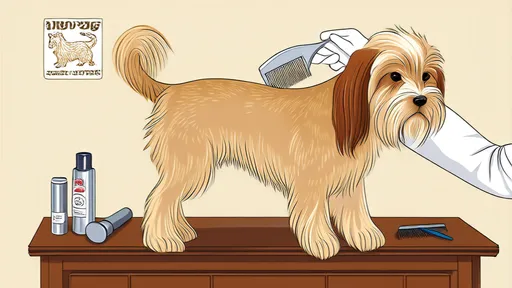
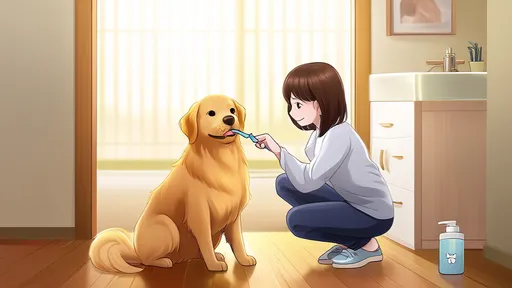
The foundation of any effective home dental care regimen is, without a doubt, brushing. It is the single most effective method for mechanically removing plaque before it hardens into destructive tartar. The key to success lies not in force, but in patience and gradual acclimation. Begin by allowing your pet to become familiar with the taste of pet-specific toothpaste—never use human toothpaste, as it contains ingredients like xylitol that are toxic to animals. Let them lick a small amount from your finger. Next, introduce a soft-bristled finger brush or a pet toothbrush designed for their mouth size. Gently lift their lips and focus on the outer surfaces of the teeth, particularly the canines and back molars where plaque tends to accumulate most. Use small, gentle circular motions. The goal of initial sessions is not a perfectly clean mouth but a positive association. Keep sessions short, no more than 30 seconds to a minute, and always conclude with lavish praise, a favorite toy, or a small, healthy treat. Consistency is your greatest ally; aim for daily brushing, but even several times a week can yield significant benefits over time.
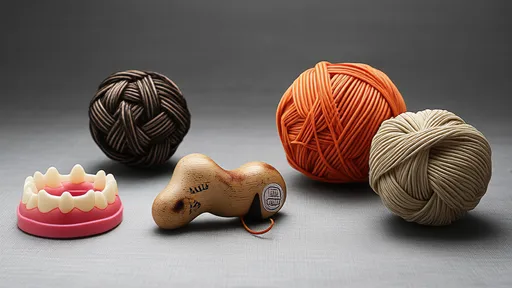
For pets who are exceptionally resistant to brushing, or for owners seeking an additional layer of protection, dental chews and specially formulated diets offer a valuable supplementary tool. These products are designed with a specific texture and composition that encourages chewing, which in turn helps to scrape plaque off the teeth as the animal gnaws. It's crucial to look for products that have received the Veterinary Oral Health Council seal of approval, as this indicates they have been scientifically proven to be effective in reducing plaque and tartar. However, it is vital to understand that these are aids, not replacements for brushing. Think of them as a helpful boost between brushings. Furthermore, always account for the caloric content of these treats within your pet's daily diet to avoid unwanted weight gain, which can itself lead to other health complications.
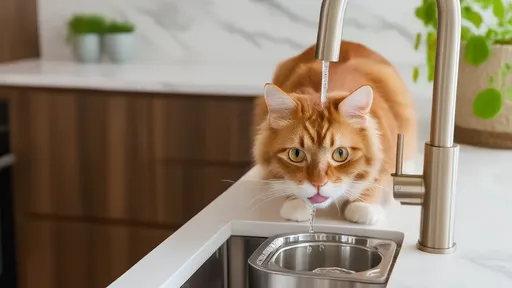
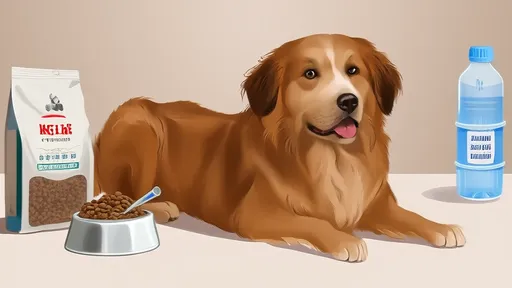
Water additives have emerged as a remarkably easy and passive method to contribute to oral hygiene. These are tasteless, odorless liquids that you simply add to your pet's drinking water each day. They work by employing enzymes or other ingredients that help to break down plaque biofilm and freshen breath with every sip your pet takes. This method is excellent for pets who absolutely will not tolerate any form of brushing or chewing, providing a baseline level of care with zero stress. When selecting a water additive, carefully read the label to ensure it is appropriate for your specific type of pet and does not contain alcohol, sugar, or other harsh chemicals. It's a simple step that seamlessly integrates into your existing routine, offering continuous protection throughout the day.
Oral sprays and gels present another potent option in the home care arsenal. These products are typically applied directly to the teeth and gums and often contain ingredients like chlorhexidine, zinc gluconate, or natural enzymes that actively combat the bacteria responsible for plaque formation and bad breath. Sprays can be particularly useful for targeting specific areas of concern or for use immediately after a brushing session to extend the protective effects. As with all new products, introduce them slowly to ensure your pet does not have an adverse reaction to the spray mechanism or the formula itself. They serve as an effective chemical combatant against oral bacteria, working in tandem with the mechanical action of brushing and chewing.
No home care routine can substitute for the expert eye of a veterinary professional. Regular professional check-ups are the critical final piece of the puzzle. Your veterinarian can perform a thorough oral examination, identify early signs of problems like gingivitis, broken teeth, or oral masses that you might miss at home, and perform a professional scaling and polishing under anesthesia when necessary. This professional cleaning removes all built-up tartar, both above and below the gumline, providing a clean slate for your home care efforts to maintain. Discuss your home routine with your vet; they can recommend the most effective products and techniques tailored specifically to your pet's age, breed, and current dental health status, creating a truly personalized and proactive healthcare plan.
Ultimately, a multi-modal approach that combines mechanical cleaning with chemical aids, under the guidance of your veterinarian, provides the most robust defense against periodontal disease. By faithfully implementing these steps—from the daily discipline of brushing to the simple act of adding a rinse to the water bowl—you are doing far more than just freshening breath. You are actively safeguarding your pet from pain and infection, protecting their vital internal organs from bacterial invasion, and investing in their quality of life for years to come. This commitment is a profound act of love, ensuring many more happy and healthy moments together.
By /Aug 20, 2025
By /Aug 20, 2025

By /Aug 20, 2025
By /Aug 20, 2025
By /Aug 20, 2025
By /Aug 20, 2025

By /Aug 20, 2025

By /Aug 20, 2025
By /Aug 20, 2025

By /Aug 20, 2025
By /Aug 20, 2025

By /Aug 20, 2025
By /Aug 20, 2025
By /Aug 20, 2025
By /Aug 20, 2025

By /Aug 20, 2025

By /Aug 20, 2025
By /Aug 20, 2025
By /Aug 20, 2025

By /Aug 20, 2025