As pet owners, we often focus on the visible aspects of our furry companions' health—shiny coats, bright eyes, and energetic behavior—but one crucial area frequently escapes our attention: ear care. The intricate architecture of canine and feline ears makes them both marvels of biological engineering and vulnerable spaces for problems to develop unnoticed. Unlike human ears, our pets' ear canals descend vertically before taking an almost ninety-degree turn horizontally, creating an L-shaped pathway that traps moisture, debris, and wax deep inside where we can't easily see. This hidden anatomy means trouble can brew silently until it becomes severe enough to manifest through odor, discharge, or behavioral changes.
Understanding proper ear maintenance transcends basic grooming—it's a fundamental component of preventative healthcare that can spare your pet significant discomfort and save you from costly veterinary bills down the line. The journey to healthy ears begins not with a cotton swab, but with knowledge. It requires learning to distinguish normal, self-cleaning mechanisms from signs of infection, recognizing which breeds need meticulous weekly attention and which require only occasional checks, and most importantly, knowing when your intervention helps and when it inadvertently causes harm. This guide will walk you through that journey, replacing uncertainty with confidence.
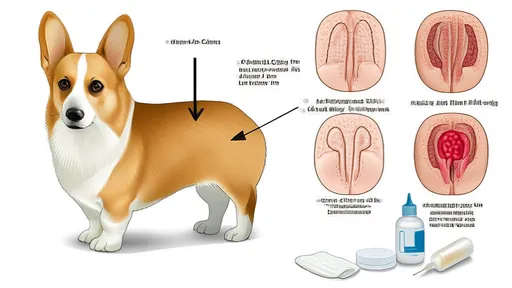
The foundation of all ear care is the regular, gentle inspection. Make it a habit to examine your pet's ears during quiet, calm moments, perhaps while they're resting beside you. Gently fold back the ear flap and look into the canal. A healthy ear presents a pale pink color, perhaps with a slight glistening from natural oils, and may have a minimal amount of yellowish or light brown wax. There should be no strong odor. The presence of a faint, mild smell is normal, but anything pungent, sour, or foul-smelling is a classic red flag for infection. Look for any signs of redness, swelling, dark brown or black discharge, or crusting. Also, be alert to any excessive scratching at the ears, head shaking, or tilting, as these are your pet's ways of telling you something is wrong.
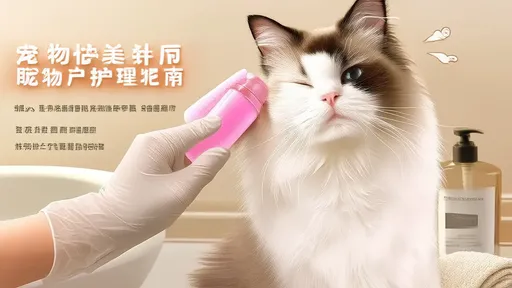
For the actual cleaning process, never, under any circumstances, use cotton-tipped swabs deep in the ear canal. This is arguably the most critical rule. The risk is twofold: you are very likely to pack debris and wax further down into the horizontal canal, creating a painful impaction, and you run a high risk of perforating the delicate eardrum, which can lead to deafness and severe vertigo. Instead, the proper technique involves using a veterinarian-recommended ear cleaning solution. These solutions are specifically formulated to break down wax, dissolve debris, and dry the canal without irritating sensitive tissues. Hold the bottle in your hand for a moment to take the chill off the liquid, as cold solution can be startling. Gently lift the ear flap and fill the vertical canal with the cleaner until it is almost overflowing. You will hear a squishing sound—this is good.
Next, massage the base of the ear for twenty to thirty seconds. You should hear a soft squelching noise as the solution works its way through the canal, breaking up the grime. This part is often enjoyable for your pet, akin to a gentle massage. After massaging, step back and let your pet do the work for you. They will inevitably shake their head vigorously, which helps to propel the loosened debris from the deep canal up and out onto the outer ear. Finally, use a soft cotton ball or a piece of gauze wrapped around your finger to gently wipe away the dislodged material from the easily accessible part of the outer ear and the inner flap. Never probe deeper than your finger can reach.
The frequency of this cleaning ritual is not one-size-fits-all; it is a spectrum dictated by breed, lifestyle, and medical history. A Basset Hound, with its long, heavy, floppy ears that create a dark, warm, and moist environment perfect for yeast and bacteria, may require a thorough cleaning once a week. Similarly, a Cocker Spaniel, prone to excessive wax production, needs a diligent routine. Conversely, a short-eared breed like a French Bulldog or a cat with upright ears that allow for excellent air circulation might only need a check and a wipe every few weeks or even once a month. Active dogs that love to swim are in a category of their own. Moisture is the enemy of ear health, so after every swim session or even a deep bath, it is imperative to dry the ears thoroughly with a soft, absorbent towel and use a drying agent as recommended by your vet.
Knowing what not to do is just as vital as knowing the correct procedure. The list of禁忌 is anchored by the absolute avoidance of cotton swabs. Furthermore, never pour rubbing alcohol, hydrogen peroxide, vinegar, or any other homemade concoction into your pet's ears. These substances are far too harsh and can cause significant inflammation and pain, damaging the sensitive skin lining the canal and disrupting the natural pH balance, which can ironically pave the way for infection. Do not use water alone, as it does not break down wax and will only add unwanted moisture. Avoid using tissues or paper towels for wiping, as they can leave behind irritating fibers.
Perhaps the most important禁忌 is ignoring the signs of a problem or attempting to treat a suspected infection yourself. Ear infections are notoriously painful and can become chronic if not treated correctly with prescription medication. If you observe any of the warning signs—persistent scratching, whining when the ear is touched, a bad smell, reddened skin, a swollen canal, or a thick, dark discharge—your cleaning routine must stop immediately, and a veterinarian must be consulted. Pushing cleaner into an infected, inflamed, or ruptured eardrum can have devastating consequences. Your vet will diagnose the specific type of infection (yeast, bacterial, or mite) and prescribe the appropriate medicated drops or ointment. Cleaning before applying medication is often advised, but only if the eardrum is intact, a determination your vet must make.
In the end, a proactive and educated approach to your pet's ear health is a powerful expression of your love and care for them. It transforms a potential source of silent suffering into an area of comfort and well-being. By incorporating regular inspections into your bonding time, using the right products with a gentle technique, tailoring the frequency to your pet's unique needs, and respecting the critical禁忌, you become your pet's first and best defender against ear disease. This commitment ensures that those adorable ears, which perk up at the sound of your voice and flop happily during play, remain healthy and functional for a lifetime of joyful moments together.

By /Aug 20, 2025
By /Aug 20, 2025

By /Aug 20, 2025
By /Aug 20, 2025
By /Aug 20, 2025
By /Aug 20, 2025

By /Aug 20, 2025

By /Aug 20, 2025
By /Aug 20, 2025

By /Aug 20, 2025

By /Aug 20, 2025

By /Aug 20, 2025

By /Aug 20, 2025

By /Aug 20, 2025
By /Aug 20, 2025

By /Aug 20, 2025

By /Aug 20, 2025

By /Aug 20, 2025
By /Aug 20, 2025

By /Aug 20, 2025