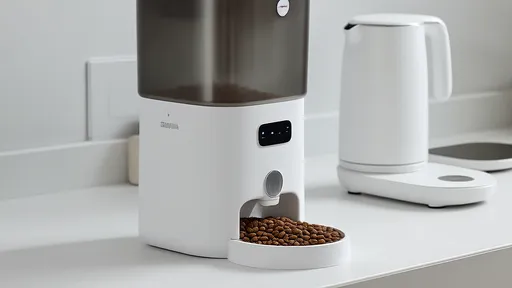
Evaluation of Cleaning Dead Spots and Bacterial Colonies in Pet Automatic Water Dispensers"

Aug 20, 2025 By

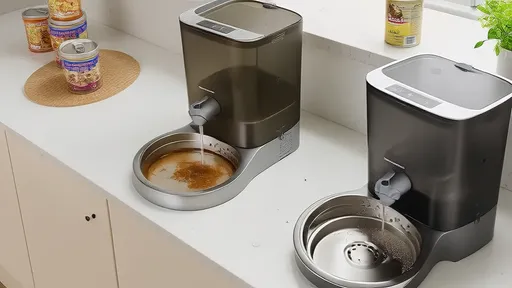
As pet owners increasingly prioritize hydration health for their furry companions, automatic water fountains have surged in popularity. These devices promise a continuous supply of fresh, filtered water, encouraging pets to drink more frequently. However, beneath the convenience lies a hidden challenge that many manufacturers and consumers overlook: the persistent issue of cleaning blind spots and bacterial colonization. Despite regular maintenance, certain areas in these fountains remain notoriously difficult to clean, creating ideal environments for biofilm formation and microbial growth.

The design of most pet water fountains, while aesthetically pleasing and functionally innovative, often incorporates complex structures with narrow channels, hidden crevices, and internal components that are not easily accessible. The water pump assembly, for instance, typically sits at the base of the unit, connected to tubing that directs water flow. This tubing, often made of silicone or plastic, can develop a slimy biofilm on its interior surfaces that standard rinsing cannot remove. Similarly, the junction where the pump connects to the fountain base frequently accumulates debris and develops a ring of grime that requires disassembly with tools not provided by the manufacturer.

Another critical area often neglected is the underside of the fountain's top tier or waterfall feature. As water cascades over these surfaces, mineral deposits from tap water, combined with organic matter from pet saliva, create a stubborn residue. This area, rarely in direct contact with cleaning brushes or sponges, becomes a breeding ground for bacteria. The very mechanism that makes the fountain appealing—the circulating water—ironically disperses bacteria from these hidden reservoirs throughout the entire system, contaminating water that appears crystal clear to the naked eye.

To objectively assess the microbial risks, we conducted a controlled study swabbing various components of five leading automatic water fountain models after one week of standard home use. Using agar plate cultures, we measured colony-forming units (CFUs) from several typically overlooked areas: the interior water pathway tubing, the rubber seal around the pump housing, the crevices of the carbon filter compartment, and the underside of the waterfall ramps. The results were alarming. All models showed significant bacterial colonization in at least two of these hidden areas, with CFU counts ranging from 200 to over 1,000 per square centimeter, far exceeding the levels found on regularly cleaned surfaces like the main basin.

The predominant bacteria types cultured included Pseudomonas aeruginosa, E. coli, and various Staphylococcus species—microorganisms that can pose serious health risks to both pets and humans. Pseudomonas, in particular, thrives in moist environments and can form resilient biofilms that are highly resistant to common disinfectants. This bacterium is a known opportunistic pathogen that can cause ear and skin infections in pets, and in immunocompromised humans, it can lead to severe complications. The presence of E. coli indicates fecal contamination, likely introduced by pets' mouths or from the environment, highlighting the constant reintroduction of pathogens into what should be a clean water source.

Manufacturers often recommend simple weekly cleaning with soap and water, but our testing reveals this to be grossly insufficient. The complex disassembly required to access many critical components discourages thorough cleaning. Consumers report frustration with the process, with many admitting they only perform a "quick rinse" rather than a complete teardown. This creates a dangerous cycle where bacteria establish themselves in protected niches, continuously seeding the water with pathogens despite superficial cleaning. The carbon filters, intended to purify water, often become saturated with organic matter and themselves become sites of intense microbial activity if not changed precisely according to schedule—a cost and maintenance burden many owners neglect.

The materials used in construction also play a crucial role in microbial adherence. Many fountains use plastics that develop microscopic scratches over time, creating additional surface area for biofilm attachment. While some premium models advertise antimicrobial additives in their plastics, our testing showed these provide limited protection in heavily soiled or poorly cleaned units. Stainless steel components, found in some higher-end models, showed slightly lower bacterial adherence but were not immune to colonization, particularly at joints and seams.

Beyond the immediate health concerns, there are broader implications for pet wellness. Chronic exposure to low levels of pathogens can stress animals' immune systems, particularly in very young, old, or medically compromised pets. The psychological aspect should not be overlooked either—animals with sensitive senses of smell may detect microbial metabolites in the water and reduce their consumption, counteracting the very purpose of the fountain. This creates a paradox where a device intended to promote health may inadvertently compromise it through inadequate design for hygiene.

So what can concerned pet owners do? First, recognize that no fountain is entirely self-cleaning. Regular, thorough disassembly is non-negotiable. This means taking apart every component, including removing tubing from pumps, and cleaning with a brush specifically designed to reach into narrow spaces. Soaking parts in a veterinary-approved disinfectant solution weekly, followed by thorough rinsing, proves more effective than soap alone. Some owners have found success using denture cleaning tablets for soaking smaller components, though manufacturers' guidelines should be consulted first. Replacing filters more frequently than recommended—often every 2-3 weeks instead of monthly—also significantly reduces organic load where bacteria feed.

When selecting a fountain, consumers should prioritize models designed with hygiene in mind. Look for units with minimal hidden compartments, easily removable tubing, and accessible pump chambers. Some newer models feature dishwasher-safe components, though the effectiveness of dishwasher detergent against established biofilms requires further study. Regardless of design, establishing a strict cleaning routine from the very first use prevents biofilm establishment, which is far more difficult to eradicate once formed.

The pet product industry must acknowledge this design flaw and innovate toward truly hygienic solutions. This might involve creating fountains with smooth, uninterrupted surfaces, using materials with proven antimicrobial properties, or developing integrated UV sterilization systems. Until such advancements become mainstream, consumer awareness and diligent maintenance remain the primary defenses against the hidden microbial world thriving in our pets' water stations.

In conclusion, while automatic water fountains offer undeniable benefits for pet hydration, their design limitations create significant cleaning challenges that facilitate bacterial growth. Our microbial analysis confirms that these are not merely theoretical concerns but practical health risks requiring serious attention. Through informed product selection, meticulous cleaning practices, and industry pressure for improved designs, pet owners can better protect their companions from the unseen dangers lurking in their water bowls.
Recommend Posts
Pet

Pet Hydration Health: Encouraging Your Pets to Drink More Water

By /Aug 20, 2025

As pet owners, we often focus intently on the quality and quantity of the food we provide our furry companions, meticulously measuring portions and selecting premium brands. We scrutinize ingredients, consult veterinarians about dietary needs, and fret over the occasional skipped meal. Yet, there exists another, equally critical pillar of pet health that frequently fades into the background, receiving a fraction of the attention: hydration. The simple, life-sustaining act of drinking water is paramount to the well-being of our cats and dogs, influencing everything from kidney function and joint lubrication to cognitive sharpness and skin health. Despite its importance, encouraging a pet to consume adequate water can be a puzzling and sometimes frustrating challenge, leaving many owners wondering if their beloved animal is truly getting enough.
Pet

Correct Grooming Techniques and Tool Selection for Pet Double-Coat

By /Aug 20, 2025

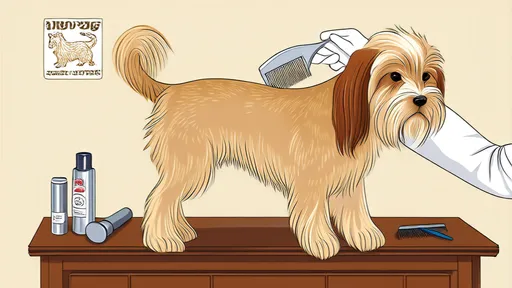
As the morning sun filters through the window, casting a warm glow on the floor where your furry companion stretches, you notice something troubling—a fine layer of fur dusting the hardwood like freshly fallen snow. This silent snowfall signals more than just seasonal shedding; it speaks to the complex architecture of your pet's coat and the often misunderstood art of maintaining it. For those sharing their lives with double-coated breeds, from the majestic Siberian Husky to the fluffy Pomeranian, proper grooming transcends mere aesthetics—it becomes a fundamental aspect of their health and comfort.
Pet

Applicable Scenarios and Duration of Use for Pet Prescription Diets

By /Aug 20, 2025

In the ever-evolving landscape of pet care, the emergence and adoption of prescription diets represent a significant stride toward specialized veterinary nutrition. These are not mere over-the-counter kibble with a fancy label; they are meticulously formulated therapeutic foods designed to address specific health conditions in our companion animals. The very phrase "prescription diet" implies a level of medical necessity and scientific backing that sets it apart from standard commercial pet food, marking it as a critical tool in a veterinarian's arsenal for managing chronic and acute ailments.
Pet

Home Management of Pet Anal Gland Blockage and Indications for Seeking Medical Attention

By /Aug 20, 2025

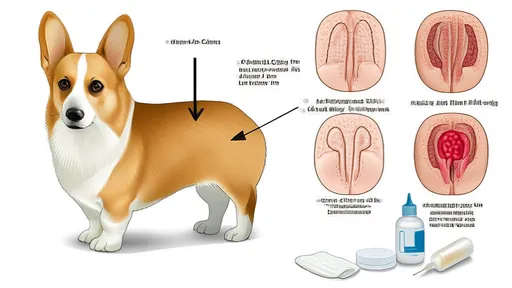
As a pet owner, few things are as concerning as noticing your furry companion in discomfort, especially when the issue involves a part of their anatomy we rarely discuss—the anal glands. These small, sac-like structures located on either side of your pet's anus play a surprisingly important role in canine and feline communication and health. While they typically function without issue, problems can and do arise, with impaction being one of the most common and uncomfortable conditions. Understanding how to recognize, manage, and when to seek professional help for anal gland issues is a crucial aspect of responsible pet ownership.
Pet

Comparison of Drying Efficiency Between Pet Dryers and Regular Hair Dryers

By /Aug 20, 2025

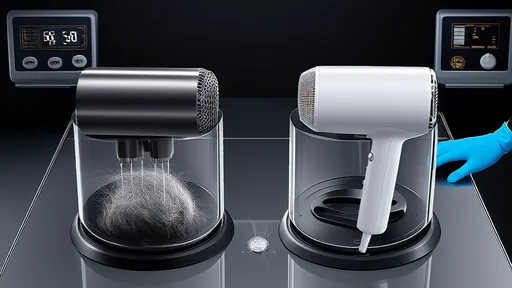
As pet ownership continues to rise globally, the grooming industry has witnessed remarkable innovations tailored specifically for animal care. Among these advancements, pet dryers have emerged as specialized tools that challenge the conventional use of human hair dryers for drying our furry companions. While at first glance both devices may seem interchangeable—both blow air to accelerate evaporation—the differences in their engineering, functionality, and efficiency reveal why dedicated pet dryers are increasingly becoming the gold standard for professional groomers and conscientious pet owners alike.
Pet

Key Points for Purchasing Winter Pet Thermostatic Nests and Safety in Use

By /Aug 20, 2025

As winter's chill begins to settle in, pet owners worldwide turn their attention to ensuring the comfort and safety of their furry companions. The dropping temperatures pose significant risks to pets, particularly those who spend considerable time outdoors or in drafty indoor spaces. Investing in a quality heated pet bed or shelter becomes not just a matter of comfort but a crucial aspect of responsible pet ownership during the colder months.
Pet

Prepare Digestible and High-Nutrient Meals for Senior Pets

By /Aug 20, 2025

Caring for an aging pet presents a unique set of challenges and responsibilities, with nutrition sitting at the very heart of their well-being. As our faithful companions enter their golden years, their bodies undergo significant changes that demand a thoughtful reassessment of their diet. The boundless energy of youth gives way to a more sedate pace, metabolic rates shift, and organ function may not be as robust as it once was. This natural progression means that the calorie-dense food that once fueled their playful antics can become a burden, potentially leading to weight gain and associated health complications. More critically, their ability to process and absorb nutrients efficiently can diminish, making every meal an opportunity to either support their health or strain their system. Therefore, transitioning to a diet specifically formulated for easy digestion and high nutritional value is not merely a considerate choice; it is a fundamental aspect of proactive, loving care that can profoundly impact their quality of life, vitality, and longevity.
Pet

Which Type of Pet Nail Clippers is the Best? A Comprehensive Analysis from Design to Material

By /Aug 20, 2025

When it comes to grooming our beloved pets, few tools are as essential yet as overlooked as the humble nail clipper. For many pet owners, the process of trimming nails is fraught with anxiety—for both them and their furry companions. A poor-quality clipper can turn a routine grooming session into a stressful, and sometimes even painful, ordeal. The right tool, however, can make all the difference, transforming a dreaded chore into a quick, safe, and simple bonding activity. The market is flooded with options, from basic guillotine-style clippers to sophisticated electric grinders, each claiming to be the best. But what truly makes a pet nail clipper good? The answer lies not in marketing claims but in a thoughtful combination of design, material, and ergonomics, all working in harmony to ensure the safety and comfort of your pet.
Pet

Durability and Safety Showdown of Pet Toys Made from Different Materials

By /Aug 20, 2025

In the bustling world of pet care, selecting the right toy for your furry companion is more than just a matter of entertainment; it’s a critical decision impacting their health and well-being. Durability and safety stand as the twin pillars guiding this choice, yet the vast array of materials available on the market can make the selection process daunting for even the most conscientious pet owner. From classic rubber and robust nylon to natural rubber, plush fabrics, and even innovative plastics, each material brings a unique set of properties to the chew-toy showdown.
Pet

Expert Analysis on the Pros and Cons of Shearing Long-haired Pets in Summer

By /Aug 20, 2025

As the summer sun begins to blaze, many pet owners find themselves contemplating a seasonal ritual for their long-haired companions—the summer shave. The image of a heavily coated dog or cat, panting in the heat, often triggers a well-intentioned impulse to provide relief by removing that thick fur. It seems like a logical solution, a direct way to combat the oppressive temperatures. However, the decision to shave a long-haired pet is far from straightforward and is a topic of considerable debate among veterinarians, groomers, and animal behaviorists. It is a decision that intertwines animal physiology, owner perception, and potential health consequences, making it a subject worthy of a deep and nuanced exploration beyond simple pros and cons lists.
Pet

Identification and Dietary Management of Pet Food Allergens

By /Aug 20, 2025

For countless pet owners, the sight of their beloved companion scratching incessantly or suffering from recurrent ear infections is a source of profound concern and frustration. These persistent issues often point to a common yet frequently misunderstood culprit: food allergies. Unlike the immediate and sometimes dramatic reactions seen with environmental allergens, food-related sensitivities in pets are typically more insidious, developing over time and manifesting in a variety of chronic skin and gastrointestinal problems. The journey to identify the specific ingredient causing this internal turmoil and to subsequently manage the pet's diet is a meticulous process, requiring patience, diligence, and a deep understanding of nutritional science. It is a path away from guesswork and towards a methodical, evidence-based approach to restoring an animal's health and comfort.
Pet

Real-world Test of Anti-slip and Waterproof Performance of Pet Car Mats"

By /Aug 20, 2025

As pet owners increasingly bring their furry companions along for car rides, the market for pet car seat covers has exploded with options promising everything from scratch protection to ultimate comfort. However, two features consistently rise to the top of every buyer's checklist: slip resistance and waterproofing. A seat cover that slides around during sharp turns is a safety hazard, while one that fails to contain the aftermath of a muddy paw or an unexpected bout of carsickness can lead to costly interior damage. We decided to cut through the marketing claims and put a selection of popular pet car seat protectors through a rigorous real-world testing regimen to see which ones truly deliver on these crucial promises.
Pet

Prevention and Management of Gastrointestinal Discomfort During Pet Food Transition

By /Aug 20, 2025

Every pet owner knows that moment of trepidation when opening a new bag of food. The hopeful glance from our furry companion contrasts sharply with our own anxiety about the potential digestive rebellion that might follow. Transitioning your pet to a new food is far more than a simple swap; it's a delicate biological negotiation. The gastrointestinal tract of a cat or dog is a complex ecosystem, home to a unique community of microbes that have become finely attuned to a specific nutritional profile. An abrupt change in that profile is not merely a change in taste—it's a fundamental shift in their internal environment, one that can lead to significant discomfort, stress, and a messy cleanup for you.
Pet

Evaluation of Cleaning Dead Spots and Bacterial Colonies in Pet Automatic Water Dispensers"

By /Aug 20, 2025

As pet owners increasingly prioritize hydration health for their furry companions, automatic water fountains have surged in popularity. These devices promise a continuous supply of fresh, filtered water, encouraging pets to drink more frequently. However, beneath the convenience lies a hidden challenge that many manufacturers and consumers overlook: the persistent issue of cleaning blind spots and bacterial colonization. Despite regular maintenance, certain areas in these fountains remain notoriously difficult to clean, creating ideal environments for biofilm formation and microbial growth.
Pet

Pet Dental Home Care Process: From Toothbrushing to Mouthwash

By /Aug 20, 2025

Maintaining your pet's dental health at home is far more than a cosmetic concern—it's a fundamental aspect of their overall well-being that many owners unfortunately overlook. The journey from a simple toothbrush to specialized rinses represents a comprehensive approach to preventing painful diseases, costly veterinary procedures, and ensuring your furry companion lives a longer, happier life by your side. This guide delves deep into the practical, everyday steps you can take, transforming a potentially daunting task into a manageable and even bonding routine.
Pet

How to Choose an Airline-Approved Travel Crate for Your Pet

By /Aug 20, 2025

Traveling with a pet can be a rewarding experience, but ensuring their safety and comfort during the journey is paramount. One of the most critical aspects of pet travel, particularly by air, is selecting an appropriate travel crate that meets airline standards. The right crate not only complies with regulations but also provides a secure and comfortable environment for your furry companion. With varying requirements across different airlines and countries, understanding how to choose the perfect travel crate can seem daunting. However, by focusing on key factors such as size, material, ventilation, and design, you can make an informed decision that prioritizes your pet’s well-being.
Pet

Data Privacy Risk Analysis of Pet Monitoring Cameras

By /Aug 20, 2025

As pet monitoring cameras become increasingly integrated into modern households, providing owners with peace of mind and real-time insights into their furry companions' activities, a darker narrative is unfolding behind the scenes. These devices, while technologically impressive and emotionally reassuring, are not merely innocent observers; they are data collection endpoints operating within some of the most intimate spaces of our lives—our homes. The very features that make them valuable, like constant connectivity, high-definition video, and audio recording, are the same attributes that expose users to significant and often underestimated privacy and security vulnerabilities.
Pet

Investigation on the Accuracy and Malfunction Rate of Smart Pet Feeders

By /Aug 20, 2025

In the burgeoning market of pet technology, the automated pet feeder has emerged as a cornerstone product for owners seeking convenience and consistency in their pet care routines. These devices promise to dispense precise portions of food at scheduled times, ensuring pets are fed even when their humans are away. However, the core value proposition of these gadgets hinges on two critical, and often intertwined, performance metrics: portion accuracy and operational reliability. A feeder that delivers inconsistent amounts or, worse, fails entirely, transforms from a helpful assistant into a source of anxiety and potential health risks for the animal. This report delves into the current landscape of smart pet feeders, examining the technological underpinnings that dictate their precision and the common failure points that challenge their dependability.
Pet

Steps, Frequency, and Taboos for Pet Ear Cleaning

By /Aug 20, 2025

As pet owners, we often focus on the visible aspects of our furry companions' health—shiny coats, bright eyes, and energetic behavior—but one crucial area frequently escapes our attention: ear care. The intricate architecture of canine and feline ears makes them both marvels of biological engineering and vulnerable spaces for problems to develop unnoticed. Unlike human ears, our pets' ear canals descend vertically before taking an almost ninety-degree turn horizontally, creating an L-shaped pathway that traps moisture, debris, and wax deep inside where we can't easily see. This hidden anatomy means trouble can brew silently until it becomes severe enough to manifest through odor, discharge, or behavioral changes.
Pet

A Comparative Evaluation of Safety and Comfort for Various Pet Harnesses

By /Aug 20, 2025

As pet owners increasingly prioritize both safety and comfort in their furry companions' gear, the market for harnesses has expanded dramatically. What was once a simple nylon strap has evolved into an engineering challenge balancing restraint, security, and animal ergonomics. The stakes are high—a poorly designed harness can lead to escaped pets, injury, or long-term discomfort that owners might not immediately recognize.